DIAD V
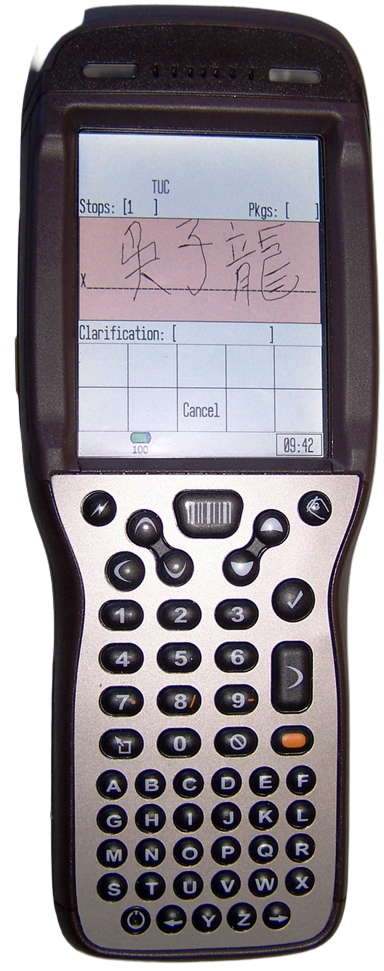
What it is: The DIAD V is the handheld computer UPS route drivers carry through an entire shift, scanning packages, capturing signatures, navigating the stop list, and staying in touch with dispatch. It replaced the DIAD IV with a smaller footprint, a color display, and GPS.
Usability issue: On-screen text runs small enough that drivers report needing to stop and look closely to confirm route or stop status while walking a route, rather than reading it at a glance, a visibility-of-system-status problem that costs time on every stop.
Ring Scanner
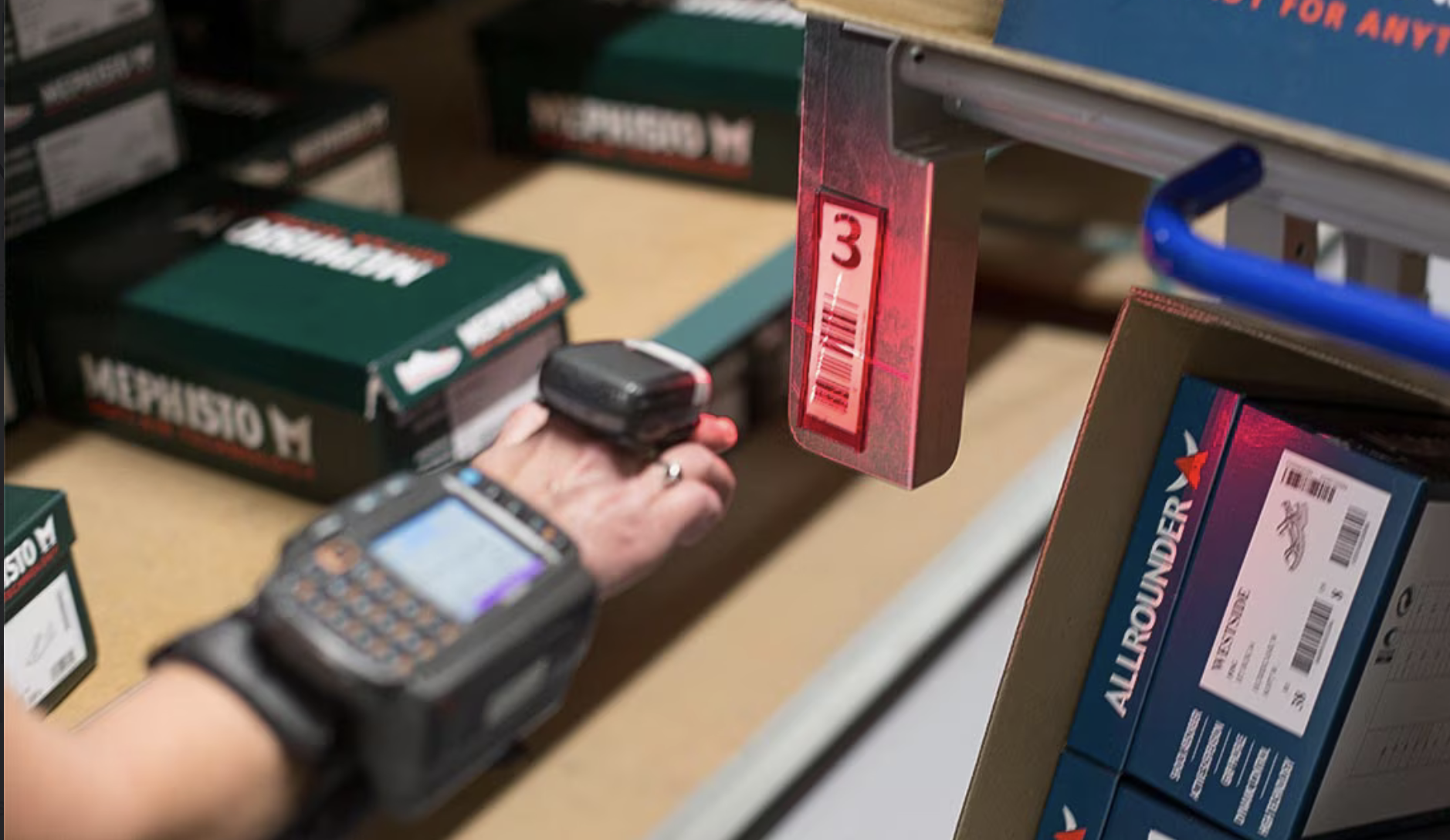
What it is: UPS's hands-free wearable scanner: an imager worn on the index finger, paired over Bluetooth to a wrist- or hip-mounted terminal. It lets package handlers and drivers scan barcodes while keeping both hands free to safely handle packages.
Usability issue: Scan confirmation lives on the ring, but exception detail, a wrong trailer, a misroute, a duplicate, only shows up on the wrist terminal. A worker can't learn what went wrong without breaking hands-free posture to look down.
Zebra Device
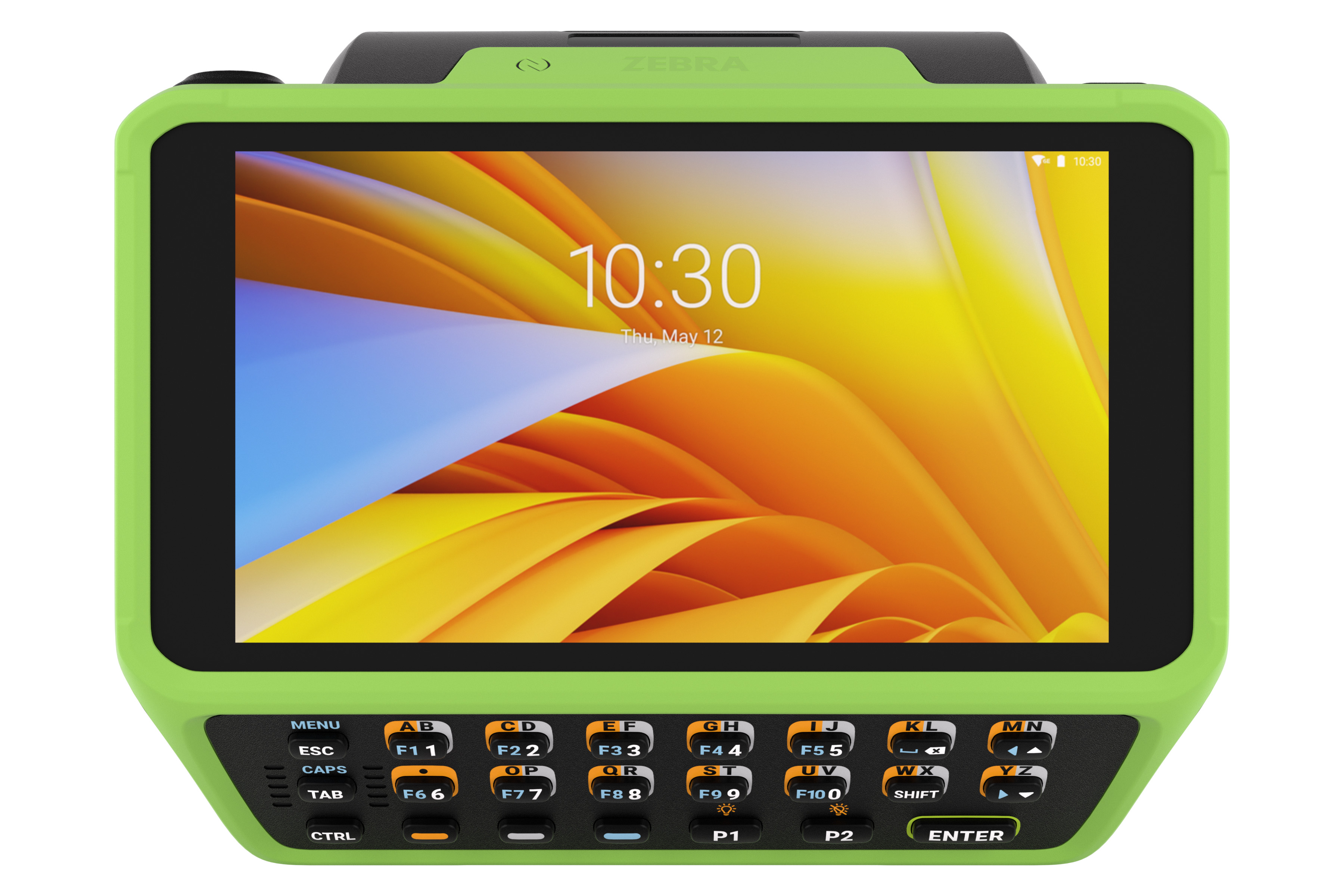
What it is: A rugged, Android-based handheld computer used across UPS warehouse and distribution operations for scanning, task lists, and day-to-day workflow data, built to survive drops, dust, and temperature swings on the floor.
Usability issue: The on-screen software running on it has grown more complex than the tasks it needs to support, more steps and screens than a simple scan-and-confirm task should require, which slows staff down instead of staying out of their way.